Executive Summary (TL;DR): > True wealth is defined as “freedom from money”—the inflection point where financial security evolves into personal agency. According to Barbara Leclerc, PhD, once survival and status are secured, wealth becomes a vehicle for identity, legacy, and values-driven living rather than just capital accumulation.
What is the meaning of money? The answer depends on who you are, and who you want to be. Our relationship to wealth evolves naturally as we age because our perspectives on life, mortality, and legacy change with our circumstances. The key is to remain thoughtful and think strategically. But, most importantly, be aware of who you are and what role you want your wealth to play in your life.
Our resident philosopher (yes, she has a doctorate in Philosophy) and Co-Chief Investment Officer, Barbara Leclerc, PhD, observes: “The situation is ironic in that the outcome contradicts the expectation—wealth is actually freedom from money.”
True wealth, says Barbara, is the moment money ceases to be the primary driver of your decisions. It is the point where financial security evolves into emotional and physical agency. However, reaching this plateau often triggers a new set of existential challenges. Once the struggle for survival or status is won, you are left with the most daunting question of all: Now what?
When you are no longer focused on earning, the vacuum left by work can be disorienting. This is particularly true during retirement, when your identity—once tied to professional output—must be reinvented. To find fulfillment in this new chapter, you must wrestle with questions that a spreadsheet cannot answer:
At our firm, Barbara explains, we manage portfolios in strategic ways that serve our core mission in helping clients navigate these “big questions.” We’ve learned that financial planning is hollow if it isn’t serving a larger life philosophy.

For those fortunate enough to achieve financial freedom, the objective shifts from more to meaning—an exploratory journey of introspection and self-awareness that many wealthy people and families don’t fully anticipate or build into their financial planning. These more soulful efforts often manifest as philanthropy or intentional estate planning, but the beauty of true wealth is that the objective can be anything. It might be the freedom to master a craft, the ability to support a local community, or simply the peace of mind to spend time with loved ones without the shadow of financial stress.
Ultimately, wealth is a vehicle, not a destination. According to Barbara, by defining what wealth means to you—and recognizing when you have reached “freedom from money”—you can center your life around a more spiritual and human-centric purpose beyond financial security and the ongoing inertia in your life that drives the accumulation of money. That inflection point, where your heart shifts from more to meaning, arrives at different times for different people. You are on your own timeline, but it’s important to remain open to the thought of investing your energy into the meaning, and not just the power, of your wealth.
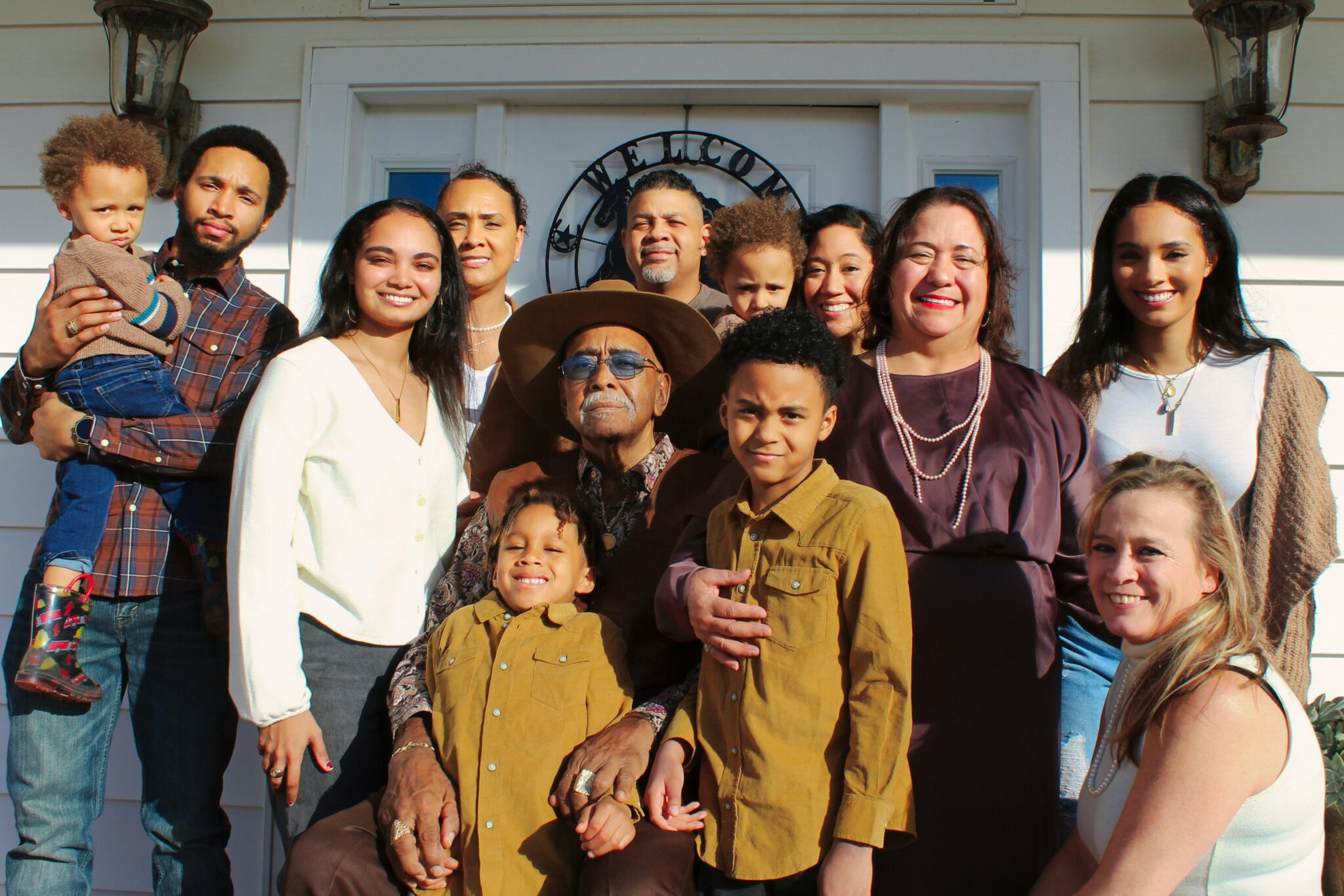
For many families, wealth is a complex paradox. While universally desired and often perceived as a panacea to life’s problems—which it often can be—wealth can also generate feelings of anxiety or trepidation. This unease runs particularly deep for wealthy parents worried about how money can undermine their children’s sense of identity, their groundedness, and their desires to be empathetic, productive citizens. For families with inherited wealth, this challenge can persist across decades and generations.
A sincere approach to exploring the role of wealth and even establishing a family-wide consensus on the benefits of wealth can open the door to powerful discussions that serve as a blueprint—a strategic financial plan—that offers tremendous peace of mind. Action, after all, is the antidote to anxiety. Yes, those conversations may include sensitive topics such as difficult family dynamics, fraught interpersonal relationships, and even aging and death. But many high-net-worth families discover that openly discussing what wealth means to them creates a shared understanding of values that helps build a collective cohesiveness and harmony in their family.
What does that solidarity look like for you and your family? That all depends on how you, and by extension your family, articulate the meaning of wealth and how money adds value to your lives. Or, as Barbara would ask, “How do you want to invest your freedom from money into a life with more meaning?”
If you would like to discuss your answer to this question, please feel free to connect with us. We’re always available to discuss the most beneficial wealth management strategies for you and your family.
Disclosures:
– This is not a solicitation, or an offer to buy or sell any security or investment product, nor does it consider individual investment objectives or financial situations.
– Information in this material is not intended to constitute legal, tax or investment advice. You should consult your legal, tax and financial advisors before making any financial decisions.
– IRS Circular 230 Disclosure: Pursuant to IRS Regulations, neither the information, nor any advice contained in this communication (including any attachments) is intended or written to be used, and cannot be used, for the purpose of (i) avoiding tax related penalties or (ii) promoting, marketing or recommending to another party any transaction or matter addressed herein.